Best time to visit Bir Billing
Bir has two good seasons, one great one, and a monsoon that is far better than its reputation if you are not counting on a flight.
Updated
October to mid-December — the best of it
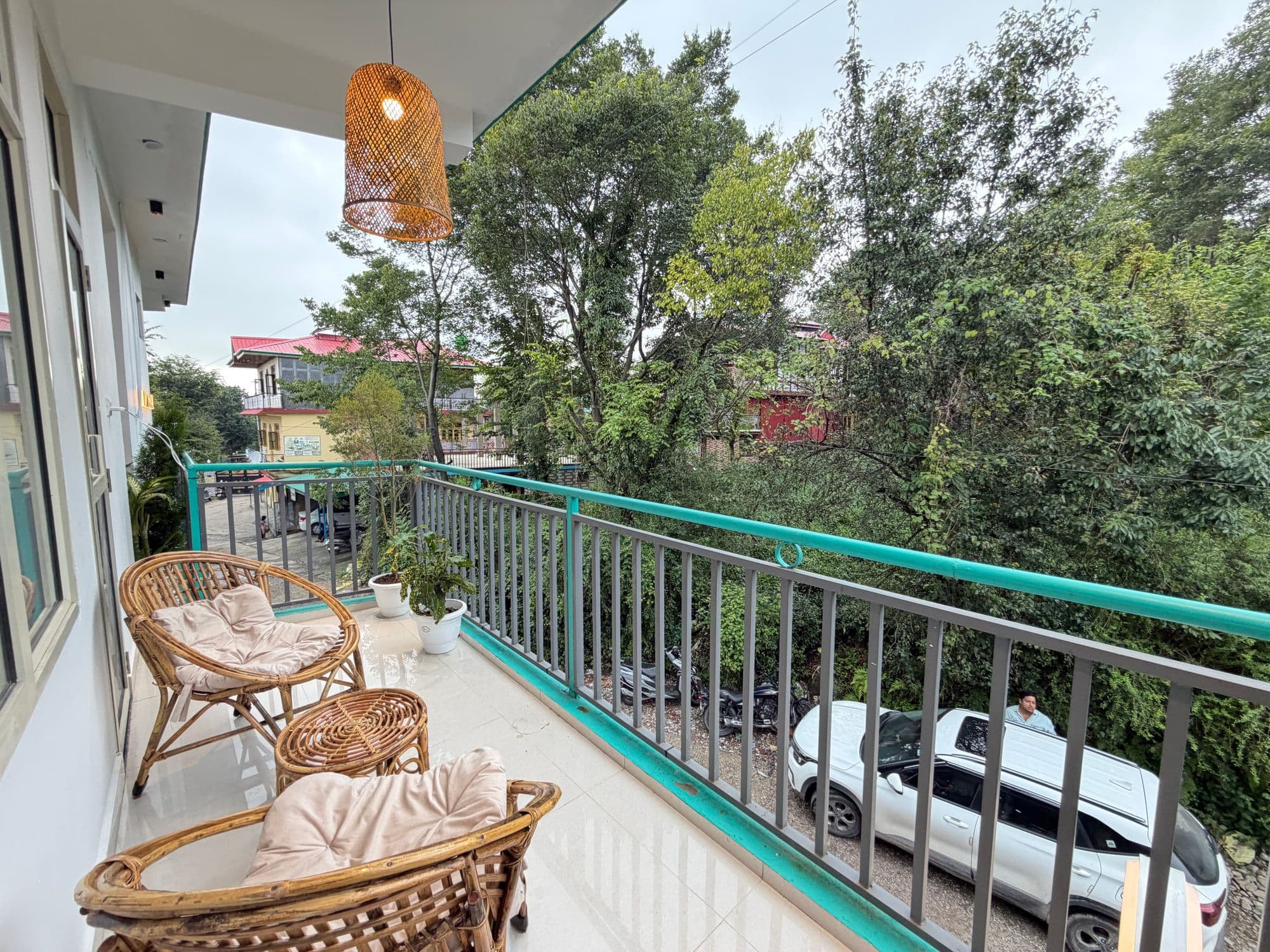
Calm mornings, clear air, and the Dhauladhar visible in a way it simply is not for the rest of the year. This is peak flying season and peak everything else: book early, expect higher rates, and expect company in the cafés. Late November and early December are the sweet spot — cold at night, brilliant by day, and noticeably emptier.
March to May — green and long
The second flying season. Days stretch out, the hills go green, and the weather is warm without being hot. Slightly less reliable in the air than autumn but far more forgiving to sit outside in. Good for a longer stay.
June to early September — monsoon
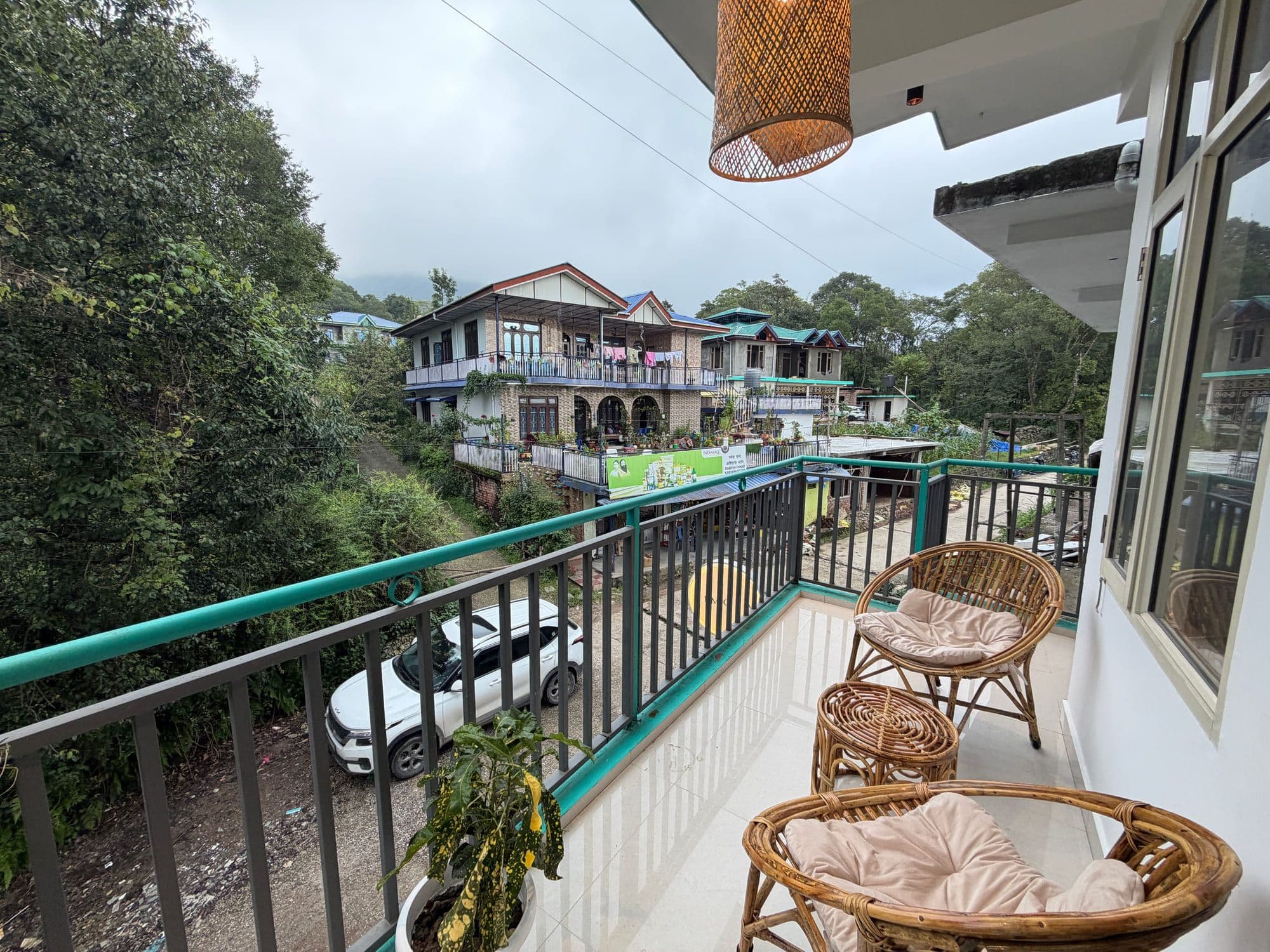
Flights are unreliable to the point that you should not plan around them. Everything else about Bir improves: the hills are extravagantly green, the cafés are empty, rates fall, and rain on a tin roof from a terrace is one of the better things available in Himachal.
Come now if you want to work, read, walk to the monasteries and have the place largely to yourself.
January and February — cold and clear
Genuinely cold, sometimes snow on the higher ground, and flights only on the good days. Very few people. If you like mountains sharp and quiet and you have a warm jacket, it is an underrated time to be here.
What to pack, whenever you come
- A warm layer. Bir is at 1,350 m and Billing is at 2,430 m; evenings are cold even in May.
- Shoes you can walk on rough ground in. The landing field and the paths around it are not paved.
- A rain layer between June and September, and honestly in any shoulder month.
- Cash. Card acceptance is patchy and the ATMs on Bir Road run empty on long weekends.